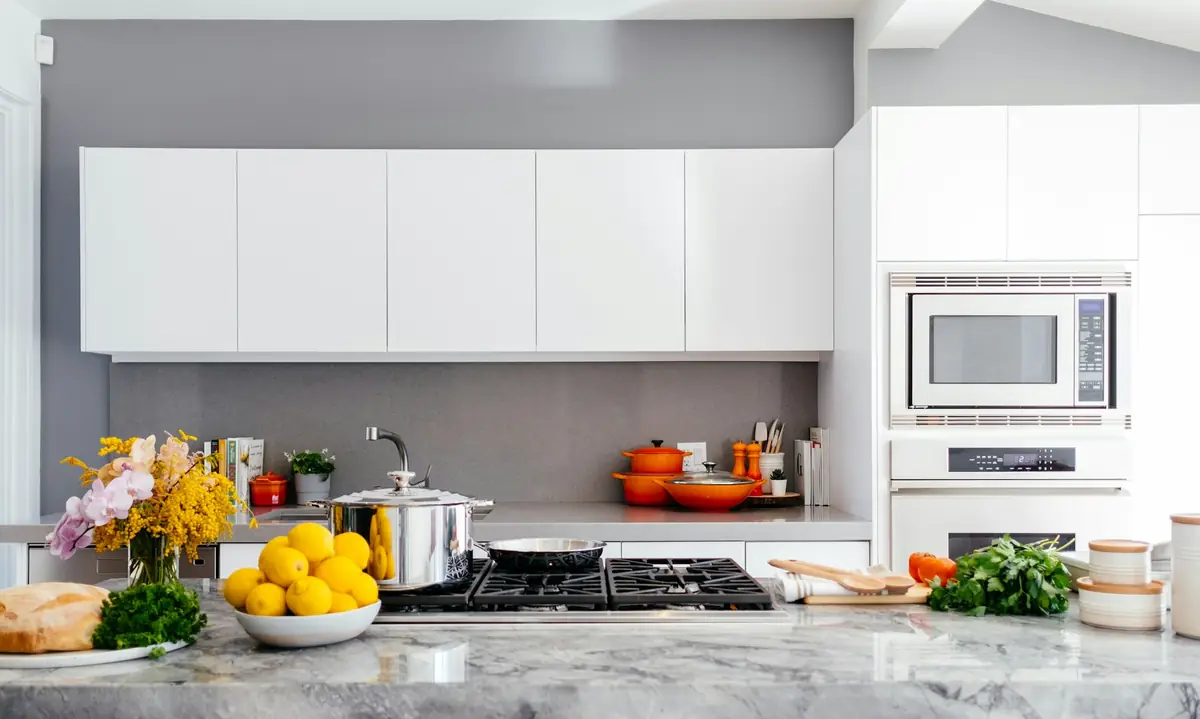
The kitchen is the room that sells a house, and it is also the room where it is easiest to spend money that never comes back. Both things are true, and knowing which is which is what separates a smart remodel from an expensive one.
What recoups well in the Kansas City market
Based on our own project history and what local appraisers tell us, these upgrades consistently return a strong share of their cost when the home sells within a few years.
| Upgrade | Typical cost | Recouped at resale |
|---|---|---|
| Refacing or repainting existing cabinets | $3,500 – $9,000 | 80 – 95% |
| New countertops, mid-range quartz | $4,500 – $12,000 | 75 – 90% |
| Modern lighting and updated plumbing fixtures | $2,200 – $7,500 | 75 – 85% |
| New energy-efficient appliances | $3,500 – $14,000 | 70 – 85% |
| Opening a kitchen to an adjacent room | $6,000 – $18,000 | 65 – 80% |
| New mid-range semi-custom cabinetry | $14,000 – $32,000 | 60 – 75% |
| Premium custom cabinetry | $35,000 – $80,000 | 45 – 60% |
| Professional-grade appliance package | $18,000 – $55,000 | 40 – 55% |
| Full layout change with plumbing relocation | $45,000 – $95,000 | 55 – 70% |
Cosmetic improvements in the mid range recoup best. Premium finishes and layout changes recoup least, because the next buyer’s taste may differ and they may not value the specific choices you made. Spend premium money where you will personally enjoy it, not where you expect a return.
The upgrades that matter most to Kansas City buyers
Working with local agents on projects we have completed, a few things come up repeatedly in this market.
- An open kitchen with sight lines to the living space. This is the single most requested feature in the Kansas City market, and it is why wall removal shows up on so many of our projects.
- A functional island. Buyers want prep space and a place for people to gather. A narrow galley island does not count.
- Quartz countertops. Granite reads as dated to a growing share of buyers, and laminate reads as a project.
- Lighting. Recessed lighting plus under-cabinet task lighting transforms how a kitchen photographs, and photography drives showings.
- Counter-depth or integrated refrigeration. Standard-depth refrigerators that protrude twelve inches past the cabinets look like a retrofit.
- Soft-close drawers and doors. It is a small line item and it is one of the first things buyers touch.
Where homeowners overspend
Premium appliances without the layout to support them
A $30,000 range in a kitchen with a cramped work triangle is money poorly spent. Buyers notice the layout first and the brand second. If you have to choose, fix the layout.
Specialty surfaces in high-use areas
Marble in a family kitchen etches and stains, and buyers know it. We install a lot of quartz that mimics marble because it looks similar and survives actual use.
Cabinetry that fills the room
More cabinets is not automatically better. A kitchen with 40 percent of its wall area in cabinetry feels heavy and dark. Open shelving, a window and less upper cabinetry frequently look and function better.
Changing the layout without a reason
Relocating the sink, range or refrigerator adds plumbing, gas and electrical scope plus permit cost. Do it if the current layout genuinely does not work. Do not do it because a magazine said to.
The three-week rule
Before you commit to any premium selection, live with the decision for three weeks. If you still want it after three weeks of thinking about it, you will probably be happy with it for a decade. If you have forgotten about it, that is your answer. Clients who use this rule consistently report fewer regrets than clients who select everything in a single showroom afternoon.
“Most delays are a decision that did not get made in time. The same is true of most regrets.”
Jennifer Park, Client Experience Manager
Budgeting for your remodel
Plan on $18,000 to $38,000 for a cosmetic refresh in the same layout, and $45,000 to $95,000 for a full remodel with layout changes. Add a 10 percent contingency for the surprises that older homes produce, which in our market usually means wiring, plumbing or water damage discovered after demolition. If your kitchen is in a pre-1980 home, ask about lead-safe work practices, because that affects both cost and schedule.