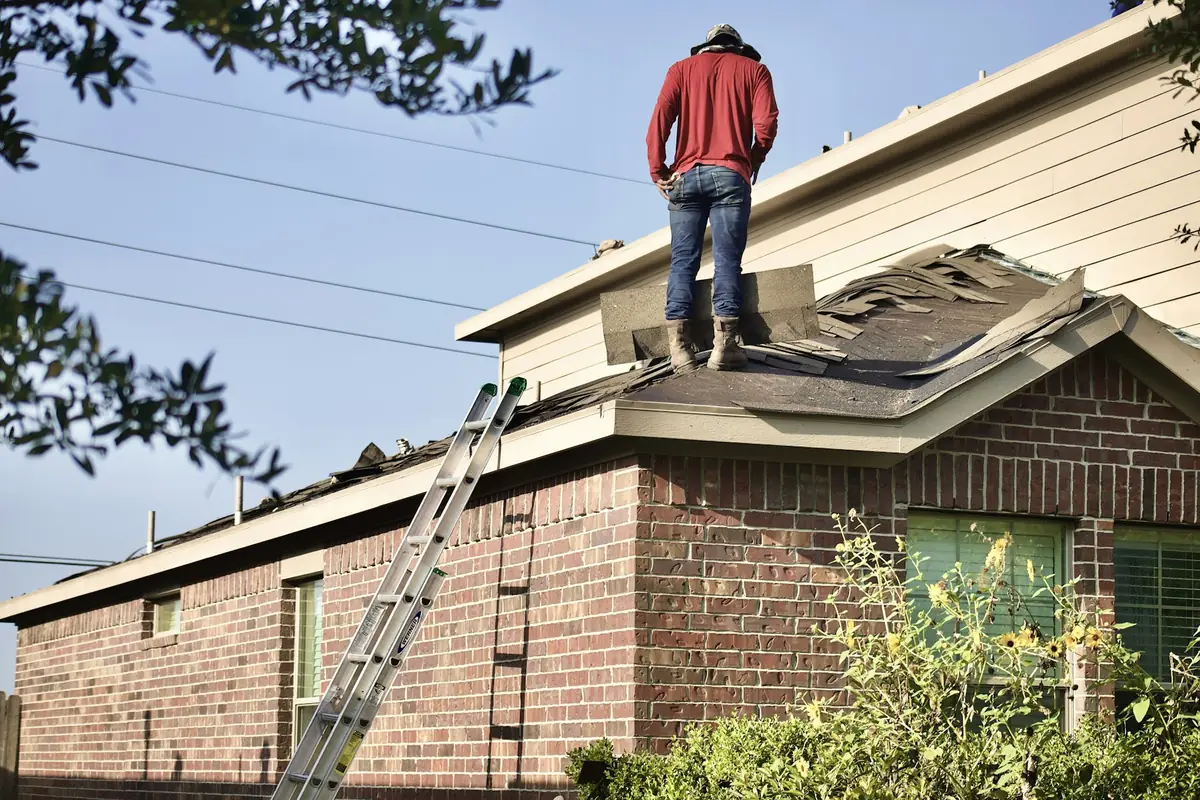
We have documented more than 1,900 roofs in the Kansas City metro, and we have seen a lot of claims denied. Almost none of those denials were because the damage was not covered. They were because the documentation did not prove the damage met the policy threshold. That is a fixable problem.
Why claims get denied
There are three common reasons, and all three are about evidence rather than coverage.
- The damage was described rather than measured. "There is hail damage on the roof" is an opinion. "Forty-two impact points on the south slope with mat fracture, verified by chalk test" is a finding.
- Code-required items were left out of the scope. Ice-and-water shield, drip edge, ridge ventilation and decking replacement are frequently omitted from initial adjuster scopes even when they are required by the adopted code.
- The claim was filed too late. Most policies require notice within a specified period after a loss, and damage that has weathered for two years is much harder to attribute to a specific storm.
What we document, and why each item matters
Roof measurements by slope
We measure every slope individually and record the pitch, square footage and number of layers. This matters because a claim is priced by slope, and because a steep north slope with heavy damage and a shallow south slope with none tells a specific story about storm direction.
Damage type and distribution
Hail damage is not the same as wind damage and not the same as wear. We photograph and describe each: mat fracture with exposed fiberglass, bruised shingle with granule displacement, torn or missing shingles, dented soft metals, cracked pipe boots and vents.
Soft metal evidence
Gutters, downspouts, vents, valley metal, flashing and HVAC condenser fins are the most reliable hail indicators on a roof, because they deform permanently. Hail that dents a gutter to a measured depth almost certainly damaged the shingles above it. We photograph these with a measuring reference in frame.
The chalk test
On an apparently intact shingle with suspected hail bruising, we cut a small section and apply chalk to the mat. A bruise shows as a fracture in the mat beneath what looks like an intact surface. This is the single most persuasive piece of evidence in a contested claim.
Every damage photograph should include a tape measure, a coin or a reference object in frame. An adjuster cannot evaluate a dent or a crack without knowing how large it is, and a photo without scale is an invitation to dispute.
Attic and deck-level inspection
We inspect from inside the attic as well as from the deck. Daylight visible through the roof surface, water staining on sheathing, and soft or delaminated decking are all evidence that is invisible from outside and highly relevant to the claim.
Code-required items adjusters commonly omit
When a roof is replaced, the adopted building code typically requires more than the shingles. Initial adjuster scopes frequently omit these, and adding them back is one of the most common reasons we are able to increase an approved claim.
| Item | Why it is required | Typical cost |
|---|---|---|
| Ice-and-water shield at eaves and valleys | Code requirement in cold climates | $400 – $1,400 |
| Drip edge | Code requirement at rake and eave | $300 – $900 |
| Synthetic underlayment | Replaces felt under current standards | $350 – $1,100 |
| Ridge and intake ventilation | Required for balanced attic ventilation | $600 – $2,200 |
| Decking replacement | Required where sheathing is soft or delaminated | $90 – $180 per sheet |
| Pipe boots and vent flashing | Cannot be reused; seal failure is immediate | $25 – $60 each |
| Chimney and sidewall flashing | Frequently damaged and cannot be reused | $450 – $1,800 |
How to work with your adjuster
- File the claim before you authorize any repair work. Repairs performed before inspection can void the claim.
- Ask your contractor to be present for the adjuster’s inspection. This is the single highest-leverage step in the entire process.
- Have the contractor’s scope of work in hand before the inspection so it can be discussed on the roof rather than by email afterward.
- Request a copy of the adjuster’s report and compare it line by line against your contractor’s scope.
- If items are missing, submit a supplement in writing with photographs, measurements and the applicable code citation.
- Do not sign a final settlement until the supplement is resolved and the scope covers the full replacement.
“The homeowner should never be the one translating between the roofer and the adjuster. That is the contractor’s job, and if they will not do it, find one who will.”
David Lindgren, Senior Superintendent
Red flags in a roofing contractor
- They ask you to sign a contingency contract before an inspection has been performed.
- They offer to waive or cover your deductible. That is insurance fraud in Missouri and Kansas.
- They cannot produce a local business address or a Missouri or Kansas license number.
- They will not put the scope of work in writing with product specifications.
- They pressure you to decide the same day, usually citing a storm deadline that does not exist.
After the work is done
Ask for the manufacturer warranty registration in your name, a written workmanship warranty, and a final magnetic sweep of the yard and driveway. We sweep twice on every job because a nail in a tire two months later is a warranty call nobody enjoys. Also confirm that any dumpster or trailer was permitted by the city and removed promptly, since some municipalities will cite the homeowner for an unpermitted container.